


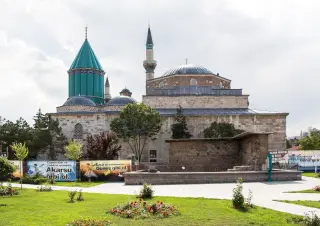


Historian's route
1 tickets€29
Source: Prof. Dr. İlber Ortaylı (1947–2026)
İlber Ortaylı's Istanbul walk, in two days
1 ticketed stopsOpen the route
The south-western corner of the historic peninsula, where few tourists go: the Cerrahpaşa Mosque, Sinan's Haseki Hürrem Complex, the Davutpaşa and Hekimoğlu Ali Pasha mosques, Ramazan Efendi with its tiles, Koca Mustafa Pasha, a former Byzantine monastery, and the Studios basilica in Samatya. We compiled it from the sixteenth walk in Hilary Sumner-Boyd and John Freely's book Strolling Through Istanbul (1972); we added the timings, breaks and practical notes.
This route was compiled by AnatoliaPass editors from the published recommendations of the person named; the timings, breaks and practical notes are ours. It does not mean that the person recommends or endorses AnatoliaPass.
Hilary Sumner-Boyd was born in New York in 1913 and educated there and in England; he spent most of his life in Istanbul, teaching at Robert College, and died in the city on 2 September 1976. John Freely was born in Brooklyn in 1926; a physicist, he came to Istanbul in 1960 to teach at Robert College and over his lifetime wrote dozens of books on Istanbul, the Ottomans and the history of science; he died in 2017. Strolling Through Istanbul, which the two wrote together, was published in Istanbul by Redhouse Press in 1972 and is still in print today in revised editions.
In Byzantium the seventh hill was known as the Xerolophos, the 'dry hill'; above the Marmara shore it divides into two summits. On top of the hill, at Cerrahpaşa, stood the Column of Arcadius; today only part of its base survives, inside a courtyard. In this chapter Sumner-Boyd and Freely work their way down from the top of the hill towards the Marmara, neighbourhood by neighbourhood.
Three of the route's stops are tied to the circle of the same sultan. The Davutpaşa Mosque was built by Koca Davud Pasha, grand vizier to Bayezid II; Koca Mustafa Pasha, who converted the Church of St Andrew into a mosque, was also one of Bayezid's grand viziers; and İlyas Bey, who converted the Studios basilica into a mosque, was the sultan's master of the horse (imrahor). This is how this corner of the city was rebuilt in the first fifty years after the conquest.
The seven stops listed at the start of the chapter give the order of this route. The book describes the mosques' inscriptions, plans and tiles one by one; it notes that Haseki's hospital was being used as a hospital again in the years when the book was written. As the walk goes down to Samatya, the authors also suggest wandering the streets of the district: an old neighbourhood looking out over the Marmara, with its churches and meyhanes.
Start: the Aksaray stop on the T1 tram; ≈ 10 min along Cerrahpaşa Caddesi · stay 25 min
The book begins the seventh-hill walk at this mosque. Cerrah Mehmed Pasha, who rose from palace surgeon to grand vizier, had it built by the architect Davud Ağa, and it was completed in the mid-1590s; the district takes its name from the mosque. The other buildings of the complex disappeared over time, leaving the mosque and its graveyard.
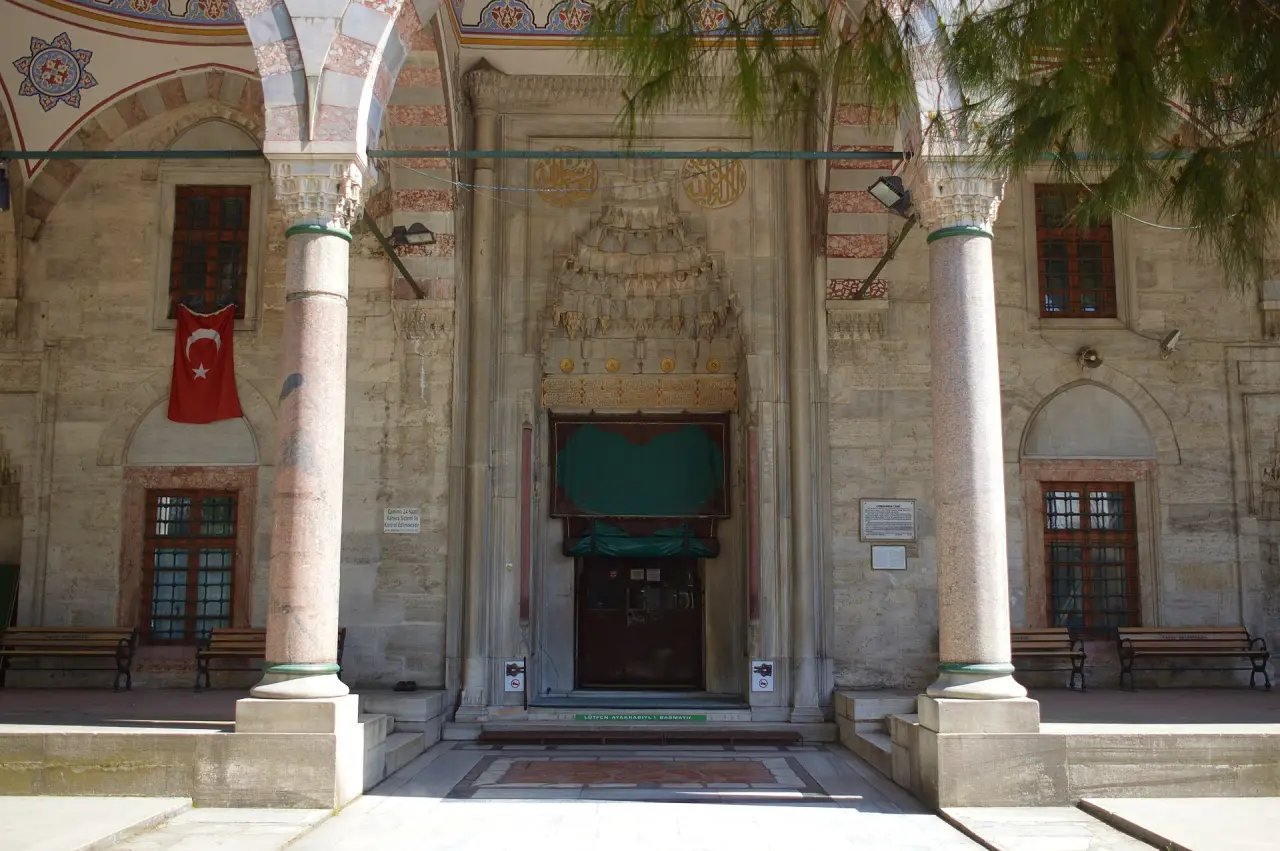
Visits pause during prayer times; check the times before you go.
≈ 5 min, west to Haseki Caddesi · stay 30 min
The complex Mimar Sinan built for Hürrem Sultan, wife of Süleyman the Magnificent; the mosque was finished in 1538–39 and is considered one of Sinan's first major works in Istanbul after he became chief architect. The mosque, madrasa, primary school, soup kitchen and hospital spread out on both sides of the street. The hospital served as a hospital for centuries, and the district is still associated with hospitals today.
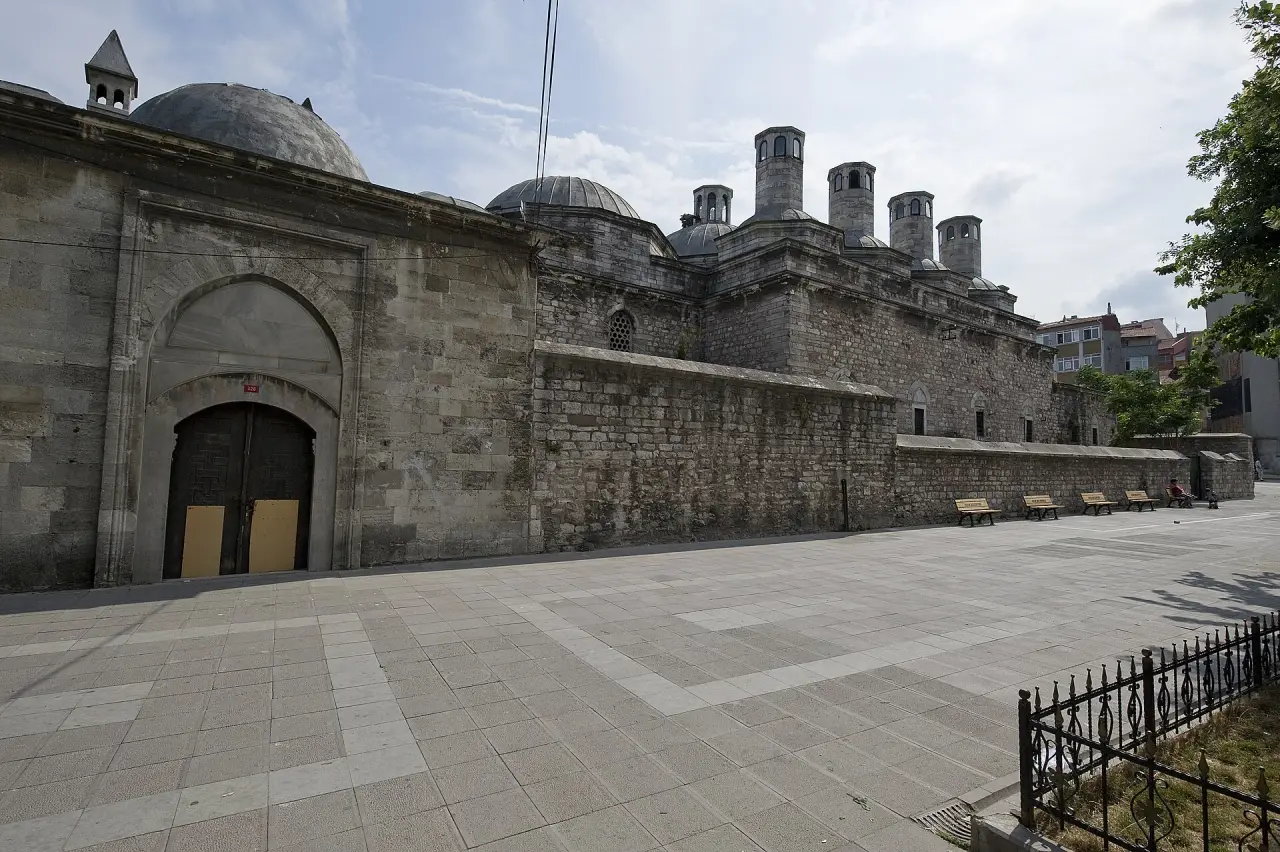
Some parts of the complex are used by different institutions and may not always be open; check before you go.
≈ 7 min, south-west to Davutpaşa Medresesi Sokağı · stay 25 min
The mosque built by Koca Davud Pasha, grand vizier to Bayezid II; the inscription over its door gives the date 1485. It is considered one of the last and most developed examples of the inverted-T-plan mosques with guest rooms (tabhane) at the sides that were built within the walls after the conquest. The founder's tomb stands in the garden.

This is a neighbourhood mosque; its door may be shut outside prayer times, so check before you go.
≈ 4 min, to Kocamustafapaşa Caddesi · stay 30 min
The complex built in 1734–35 by Hekimoğlu Ali Pasha, grand vizier under Mahmud I; although it was built just after the Tulip Era, it stays true to the classical line. His nickname ('son of the physician') comes from his father, who was chief physician to the palace. The sebil and fountain facing the street, the tomb and the stonework of the courtyard gate are worth stopping for.
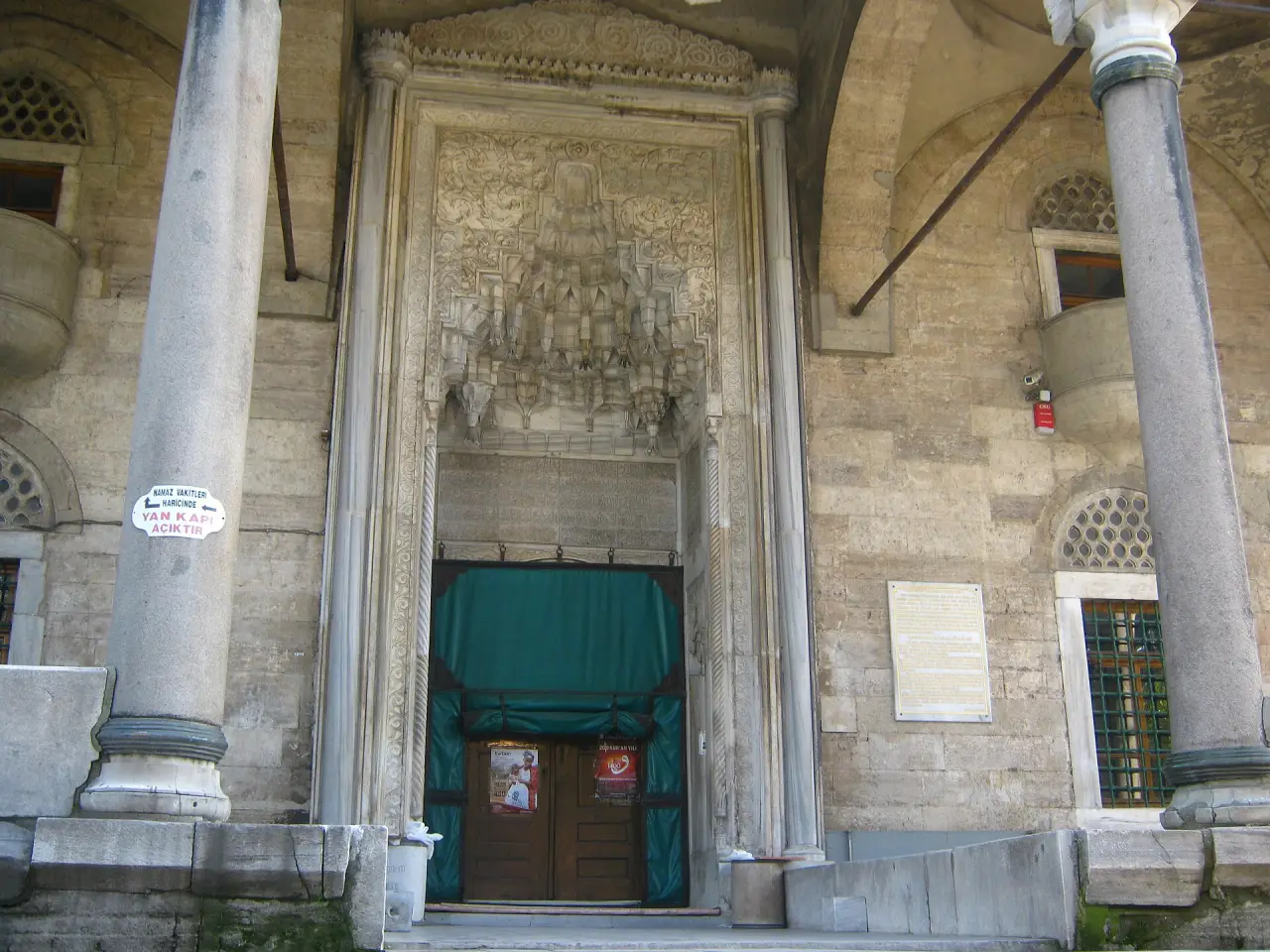
Visits pause during prayer times; check the times before you go.
≈ 6 min, west · stay 20 min
A small mosque named after the Halveti sheikh Ramazan Efendi; it is also known as the Bezirganbaşı or Hüsrev Çelebi Mosque and is attributed to Sinan in the 1580s. The book highlights the building's İznik tiles; the real treasure of this neighbourhood mosque, plain from the outside, is the tile-clad walls inside. The sheikh's tomb is to the left of the entrance, and there is a graveyard behind the courtyard.

This is a small neighbourhood mosque; its door may be shut outside prayer times, so check before you go.
≈ 5 min, to Kocamustafapaşa square · stay 50 min
The church of the monastery known in Byzantium as 'St Andrew in Krisei'; it was converted into a mosque at the end of the 15th century by Koca Mustafa Pasha, grand vizier to Bayezid II. In its garden is the tomb of the Halveti sheikh Sümbül Efendi; people also call the mosque after him, and the stories about the old cypress tree in the courtyard are part of the district's memory. Take your lunch break in the esnaf lokantası restaurants on the square.

The tomb is a place of pilgrimage; it gets very crowded at prayer times and at Friday midday prayers. Check the times before you go.
≈ 12 min, south to İmrahor Caddesi. Return: Kocamustafapaşa Marmaray station ≈ 8 min · stay 25 min
The basilica of the monastery of St John the Baptist, founded in 462 by the consul Studios; it is known as the oldest surviving church building in Istanbul. The monastery's monastic rule became a model for the monasteries on Athos. It was converted into a mosque by İlyas Bey, master of the horse to Bayezid II, and stood roofless for many years after an earthquake at the end of the 19th century. The book ends the walk here.

The building is undergoing a lengthy restoration; check whether it can be entered before you go.
≈ 2 h 15 min · fast ferry + bus · Day trip
Why here: The first Ottoman capital. The Green Mosque, the Grand Mosque and Koza Han make an easy day trip; we suggest it if you are staying in Istanbul for more than four days. Not part of this route.
Travellers who check in on this route can rate it. No one else can.
Be one of the first travellers to walk this route. If you have a question or a tip, share it with the community.
After walking the route you can rate it using the check-in in the app. Reviews go live after a short check.
Source: Prof. Dr. İlber Ortaylı (1947–2026)
Source: Prof. Dr. İlber Ortaylı (1947–2026)
Your basket stays saved on this device, so you can pick up where you left off once sales open. Until then, routes, the map and audio guides are free.