


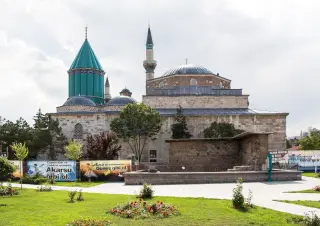


Historian's route
1 tickets€29
Source: Prof. Dr. İlber Ortaylı (1947–2026)
İlber Ortaylı's Istanbul walk, in two days
1 ticketed stopsOpen the route
A four-day journey through Central Anatolia that begins with Ankara Castle and the Hittite treasures, then runs via Alacahöyük and Hattusa to Cappadocia and on to the Kayseri bazaar and Kültepe. We compiled it from the route Prof. Dr. İlber Ortaylı suggested in the first article of his summer travel routes series in Hürriyet; we added the timings, breaks and practical notes.
This route was compiled by AnatoliaPass editors from the published recommendations of the person named; the timings, breaks and practical notes are ours. It does not mean that the person recommends or endorses AnatoliaPass.
Prof. Dr. İlber Ortaylı (1947–2026) was one of the best-known names in Ottoman and Turkish history. He taught at Ankara University and Galatasaray University, and directed the Topkapı Palace Museum from 2005 to 2012. In his newspaper columns and books he often told readers where, when and how to travel; in his view, you could not get to know a country by flying in and staying in a luxury hotel.
In summer 2025 Ortaylı wrote a two-part series on summer travel routes in his Hürriyet column. The first article, on 27 July, was devoted to Central Anatolia: a route starting in Ankara and running to Alacahöyük and Boğazkale in Çorum, then on to Cappadocia, with a second branch to Konya and Lake Beyşehir, and returning via Niğde and Kayseri. The second article headed to the South-East, from Antep to Urfa and Mardin; that itinerary appears on the site as a separate route.
In the article Ortaylı always has his eye on two things: the monument itself and the institution that keeps it alive. Describing Ankara Castle and Arslanhane, he speaks of the wealth of the old bazaar; he counts the museum that brought together the Hittite treasures among the achievements of the Republic; in Kayseri he laments the worn state of the castle but insists that you should not leave without seeing the neighbourhoods and the bazaar. He takes the season into account too: Ankara's hot days and cool nights, Cappadocia's lovely evenings, another season for Ihlara, the end of summer for the Kayseri vineyards.
Ortaylı's article gives an order and a direction, not times or distances. We divided the Ankara–Çorum–Cappadocia–Kayseri line into four days; the article's Konya and Beyşehir branch, together with another of his suggestions from 2017, we turned into a separate route. The timings, driving times, warnings and meal breaks are ours; opening hours and tickets may change.
Start: Ulus; walk uphill to the castle via Hisarparkı Caddesi · stay 60 min
Ortaylı opens his article with Ankara Castle and counts it among the most original monuments of Asia Minor. With roots going back to the Galatian period, the castle was reshaped in Roman and Byzantine times; in the walls you can see reused Roman and Hellenistic stones. The neighbourhood of the inner citadel, with its stone and timber houses, is still a living district; from the towers you can see the whole of Ankara.
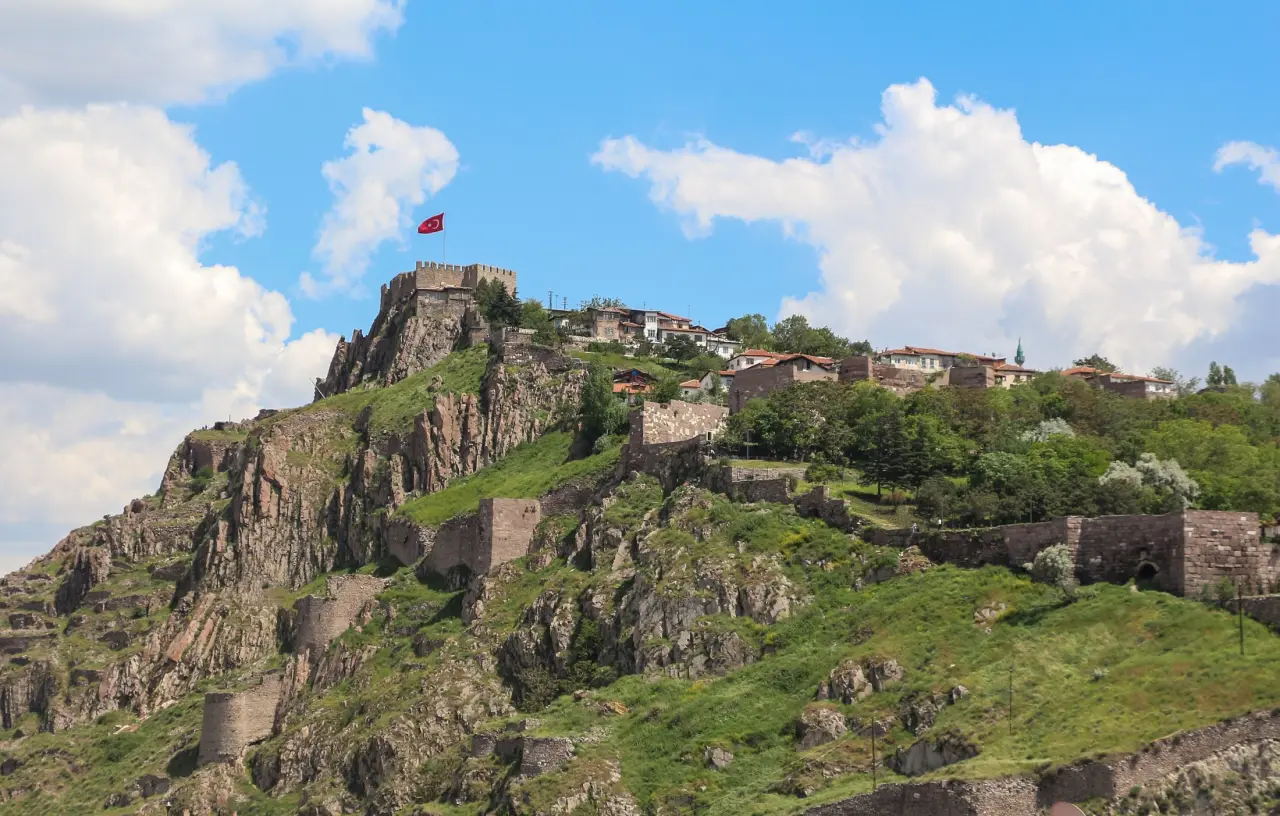
The streets inside the castle are steep and cobbled; take care where the towers have no railings. Check which parts of the castle are open before you go.
≈ 8 min heading down from the castle to Samanpazarı · stay 30 min
The mosque Ortaylı counted among the early examples of Anatolian mosque architecture, one that reflects the wealth of the old bazaar. It was built around 1290; reused Roman capitals sit on top of the wooden columns that carry its wooden ceiling. It is also known as the Ahi Şerafettin Mosque and is one of the wooden-columned medieval mosques of Anatolia added to the UNESCO World Heritage List in 2023.

Pause your visit during prayer times; go in wearing clothes that cover your shoulders and knees. Check opening times before you go.
≈ 15 min via Ulus Square · stay 45 min
Ortaylı recommends seeing the Roman remains around Hacı Bayram in Ankara. On the walls of the Temple of Augustus, next to the Hacı Bayram Mosque, stands the most complete known copy of the Res Gestae, the account of his deeds written by the emperor himself. He also writes that the Roman Theatre at the foot of the castle ought to be excavated and opened up further; the nearby Roman Baths can be added to the same walk.

You may not be able to go inside the temple; the inscription can be seen from the walkway around it. Check visiting arrangements before you go.
After a lunch break in Ulus, ≈ 15 min to the foot of the castle · stay 120 min
Formerly known as the Eti (Hittite) Museum, it is one Ortaylı counted among the great achievements of the Republican era. Housed in the Mahmut Paşa Bedesten and the Kurşunlu Han, it tells the story of Anatolia's ancient civilisations in order, from the Palaeolithic to the Hittite, Phrygian and Urartian periods. In Ortaylı's view, this is a museum not just for tourists but one the people of Ankara should visit too.

The museum is large; allow at least two hours. Check tickets and opening hours before you go.
≈ 2.5 hours from Ankara towards Çorum; spend the night in Sungurlu or Alaca · stay 75 min
The first stop on Ortaylı's Çorum leg. The Sphinx Gate and the relief-carved wall blocks belong to the Hittite period, while the royal tombs at the site date from the Bronze Age, before the Hittites. The sun discs and stag figurines found in the tombs are in the Museum of Anatolian Civilisations; here you see the place where the things you saw the day before were found.

The site is out in the open; in summer bring a hat and water. Check opening hours before you go.
≈ 40 min from Alacahöyük to Boğazkale · stay 180 min
The capital of the Hittite Empire. Ortaylı describes it as a fine example of a scattered settlement spread over a wide area enclosed by defensive walls. You go round it by following the circuit road past the Lion Gate, the King's Gate, the tunnel beneath Yerkapı and the Great Temple; add the nearby open-air sanctuary of Yazılıkaya too. Hattusa has been on the UNESCO World Heritage List since 1986.

The site is very large; the circuit road is done by car, and on foot it takes half a day. Check opening hours before you go.
≈ 3 hours from Hattusa to Nevşehir via Yozgat; spend the night in Göreme or Uçhisar · stay 120 min
The heart of the Göreme Valley, which Ortaylı singles out in Cappadocia: churches, chapels and refectories carved into the rock. In his article he says that Cappadocian evenings are especially beautiful, and that the pottery workshops and weaving centres are worth seeing too. Ihlara Valley, being close to Aksaray, he suggests leaving for another season.

The Dark Church needs a separate ticket and the number of people allowed inside is limited. Check tickets and times before you go.
≈ 10 min from Göreme to Uçhisar; ≈ 15 min to Ortahisar · stay 90 min
The two rock castles Ortaylı mentions together with Göreme. Uçhisar is the highest point in the area; from the top you look out over Pigeon Valley and Erciyes. At Ortahisar you can see the old neighbourhood at the foot of the castle and the lemon stores carved into the tuff. End the day here with the Cappadocian evening Ortaylı praised.
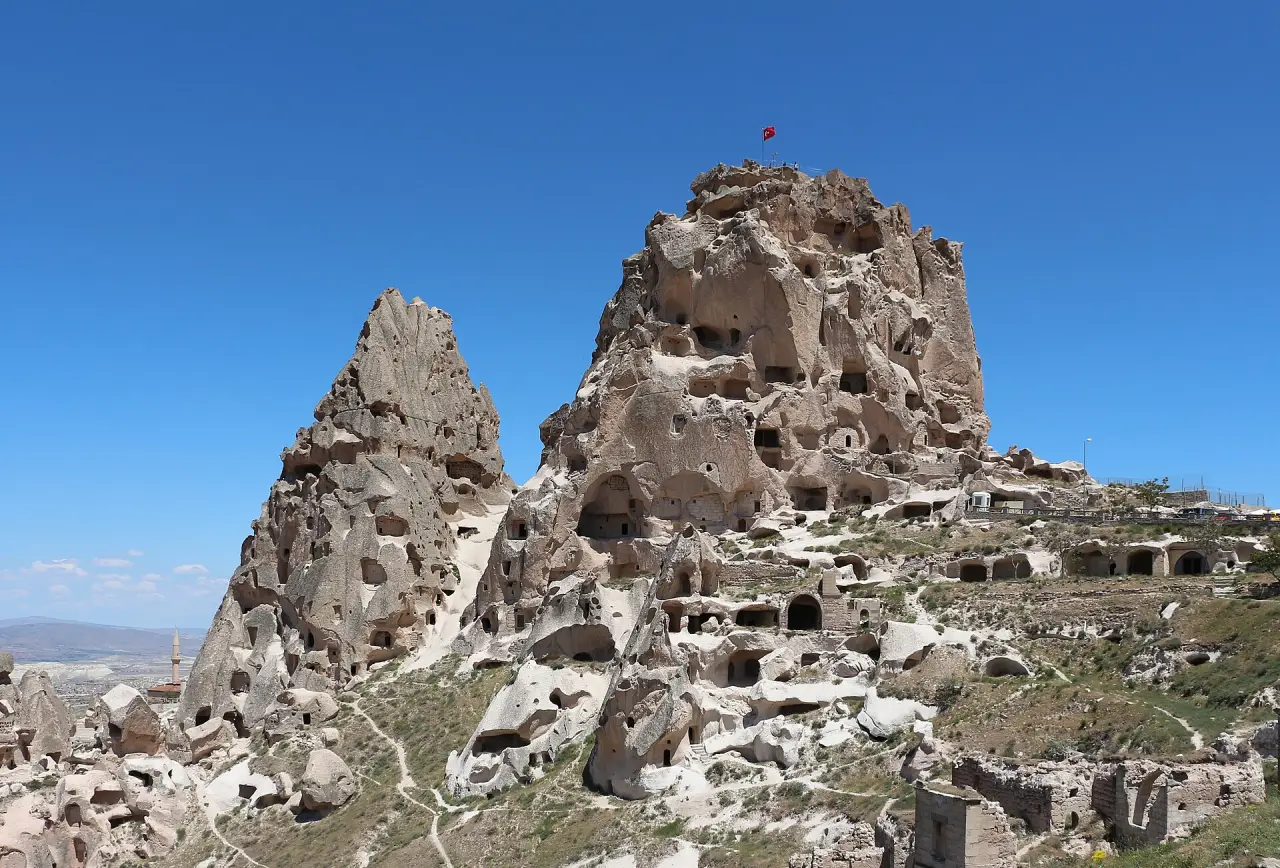
The wind is strong on the castle tops and the steps are slippery. Check opening hours before you go.
≈ 1 hour from Uçhisar to Kayseri · stay 150 min
Ortaylı writes that the castle is badly worn today, but that the old neighbourhoods near it and the bazaar must be seen; with its food, museums and city life, he counts Kayseri among the best places in Central Anatolia. Wander the Covered Bazaar and the bedesten at the foot of the castle; for lunch, mantı or a meal with pastırma.
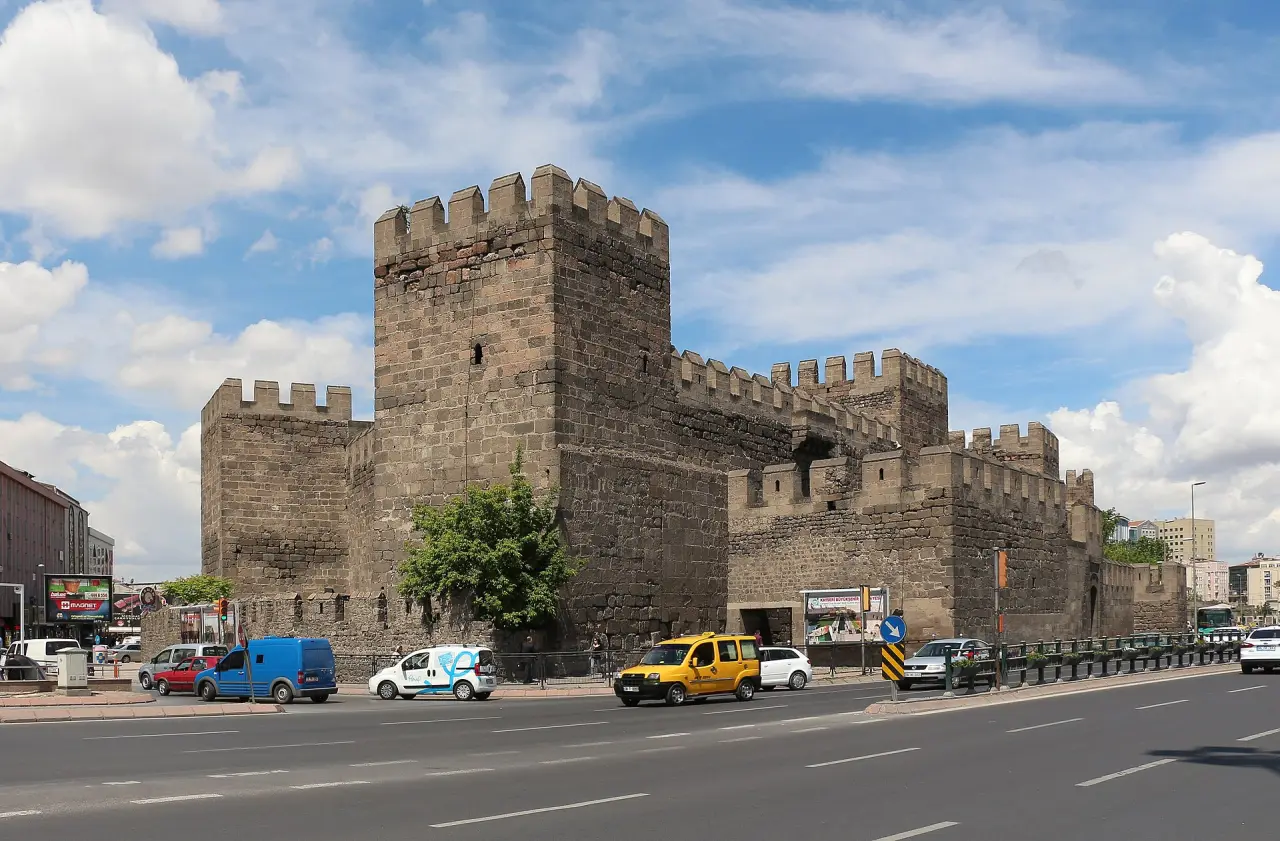
The bazaar is largely closed on Sundays. Check shop opening hours before you go.
≈ 25 min from Kayseri on the Sivas road · stay 90 min
The site Ortaylı placed at the end of the trip: Kanesh, the trading centre of pre-Hittite Anatolia, and beside it the Karum, the market quarter of the Assyrian merchants. The thousands of cuneiform tablets found here are the oldest known written documents from Anatolia. If it's late summer, call in on the way back at the Erkilet and Talas vineyards, as Ortaylı suggested, and see the grape harvest and the old vineyard life.

Most of the tablets are in the museums in Ankara and Kayseri; visiting arrangements at the site vary with the season. Check whether it's open before you go.
≈ 2 h 15 min · fast ferry + bus · Day trip
Why here: The first Ottoman capital. The Green Mosque, the Grand Mosque and Koza Han make an easy day trip; we suggest it if you are staying in Istanbul for more than four days. Not part of this route.
Travellers who check in on this route can rate it. No one else can.
Be one of the first travellers to walk this route. If you have a question or a tip, share it with the community.
After walking the route you can rate it using the check-in in the app. Reviews go live after a short check.
Source: Prof. Dr. İlber Ortaylı (1947–2026)
Source: Prof. Dr. İlber Ortaylı (1947–2026)

Source: Prof. Dr. İlber Ortaylı (1947–2026)
Your basket stays saved on this device, so you can pick up where you left off once sales open. Until then, routes, the map and audio guides are free.