




Historian's route
1 tickets€29
Source: Prof. Dr. İlber Ortaylı (1947–2026)
İlber Ortaylı's Istanbul walk, in two days
1 ticketed stopsOpen the route
Shelters dug level upon level into Cappadocia's soft tuff: Derinkuyu, Kaymaklı and Özkonak, where people lived for weeks with their animals during raids and persecution. In between, the churches of Derinkuyu and Mustafapaşa tell the last part of the story: the Greek Orthodox people of these towns left for Greece in the 1924 population exchange. You travel between the stops by car.
Cappadocia's volcanic tuff is easy to carve. Over the centuries the people of the region dug underground cities into this rock, descending level by level: stables, storerooms, wine presses, churches, wells and ventilation shafts.
No one knows for certain when they were first dug; most are thought to have been enlarged in the Byzantine period as protection against raids.
When danger approached, people went down with their animals and sealed the passages from inside with huge rolling stones. Derinkuyu is estimated to have been able to shelter around 20,000 people, and each level could be closed off separately. At Özkonak, it is said that hot sand was poured onto attackers through holes above the tunnels.
Among the last to use these shelters were the region's Christian people. Under the Greek–Turkish population exchange agreement signed in 1923, the Greek Orthodox people of towns such as Derinkuyu (Malakopi in Greek) and Mustafapaşa (Sinasos) left for Greece in 1924; Muslim migrants from Greece settled in their place. The churches stood empty and the tunnels were forgotten.
Derinkuyu came to light in 1963 when a resident repairing his house knocked through a wall in his cellar; Kaymaklı opened to visitors in 1964. Özkonak was found in 1972 by Latif Acar, a farmer who wondered where the water in his field was disappearing to. Today only a few levels of each can be visited.
Dark tourism means visiting places where people have confronted suffering, loss and hard labour: prisons, dungeons, abandoned and submerged towns, underground shelters, and the factories and mines that paid the price of industry. Every place in this collection can be visited legally and with permission; there are no routes into abandoned private property or building sites, or routes built around watching neighbourhoods where people live. Battlefields, martyrs' cemeteries and memorial sites are in the “Remembrance and mourning” collection. Please respect the story of the places you visit.
Start: central Derinkuyu; ≈ 30 min by car from Nevşehir · stay 20 min
The large church built for the town's Greek Orthodox people; according to the inscription over its door, it was completed with donations from the community on 15 May 1858, during the reign of Sultan Abdülmecid. It stood empty after the 1924 exchange; in recent years it has occasionally hosted services attended by the Ecumenical Patriarch. The entrance to the underground city is a few hundred steps away.
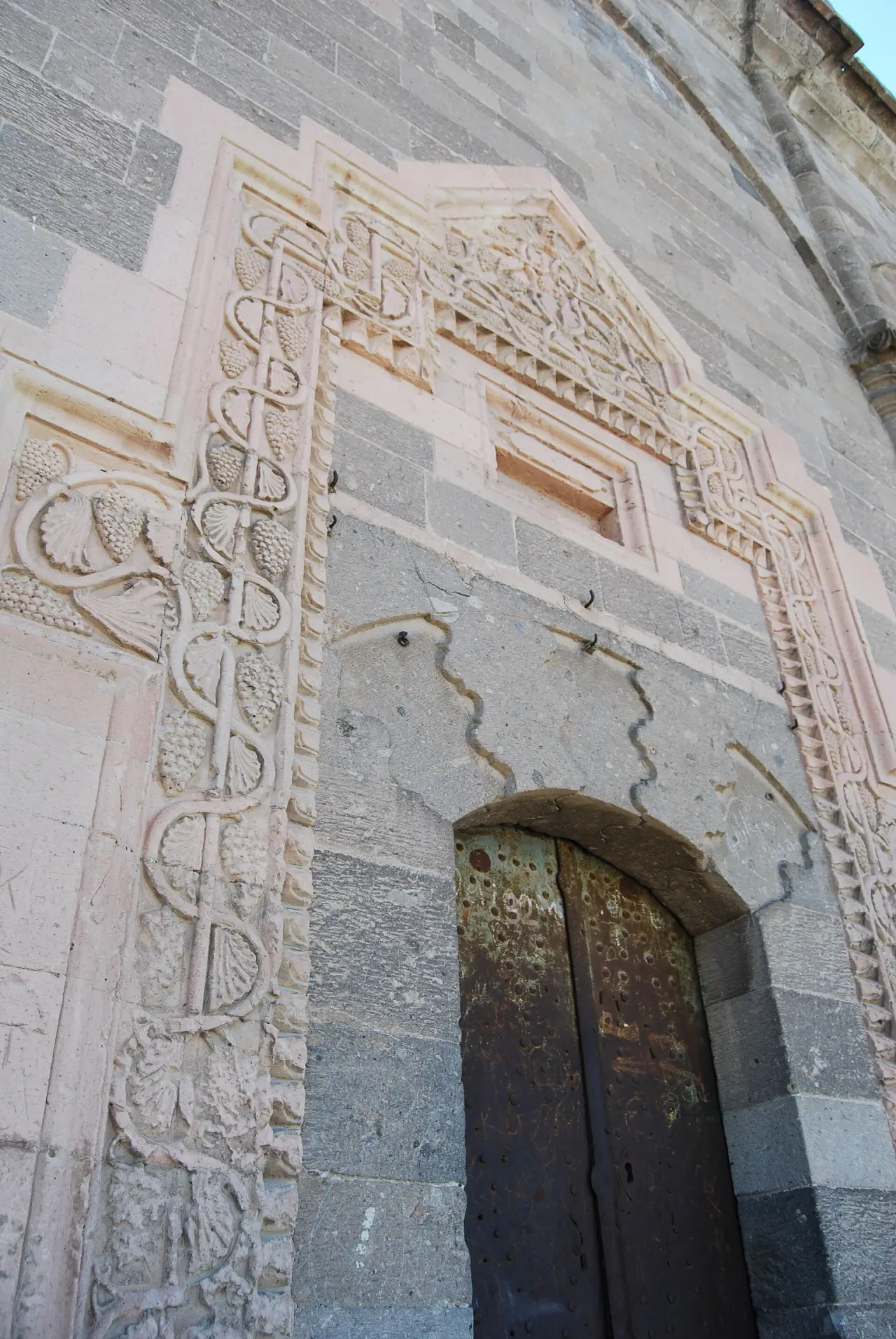
The church may be closed for restoration; you can see it from outside. Check before you go whether you can go inside.
≈ 3 min walk (150 m) · stay 75 min
A multi-level underground city reaching about 85 metres deep: stables, storerooms, a wine press, ventilation shafts and a church on one of the lower levels. Passages between levels could be closed with huge rolling stones. It was rediscovered during house repairs in 1963.

The passages are narrow and low, and the stairs steep; it may not suit people who are uncomfortable in confined spaces. Check hours and prices before you go.
≈ 10 min by car (10 km), north on the Nevşehir road · stay 60 min
Opened to visitors in 1964, the underground city has four levels you can visit, with nearly a hundred tunnels, large storerooms and grinding stones. Houses in the town above still use the tunnels as stables, cellars and storage. Derinkuyu and Kaymaklı are thought to be linked by a tunnel 8–9 km long.
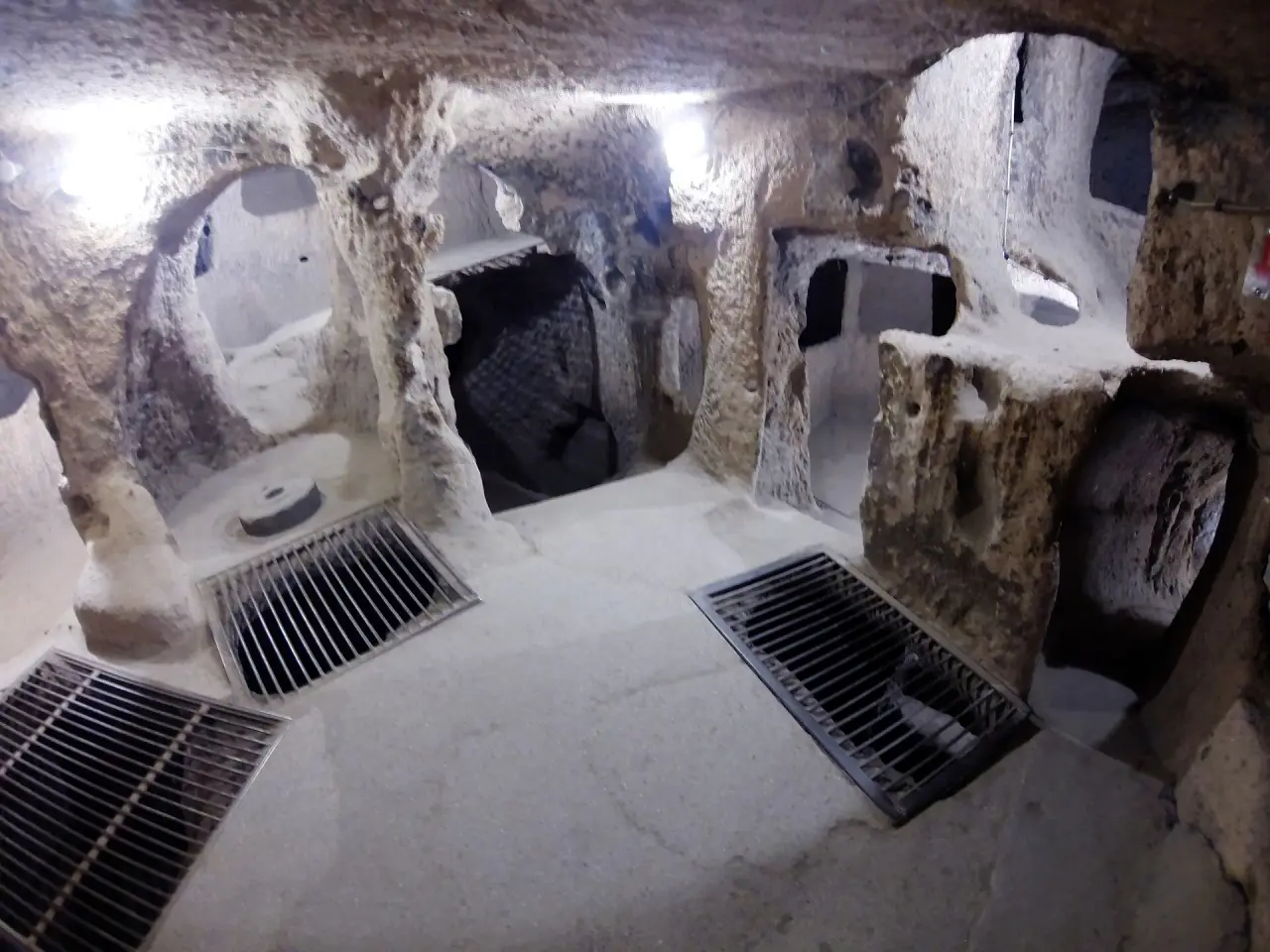
At busy times there are queues in the narrow passages; go early in the morning. Check hours and prices before you go.
≈ 30 min by car (≈ 30 km) towards Ürgüp · stay 75 min
The town, Sinasos in Greek, is known for its stone mansions built with money sent by families trading in Istanbul. In the 1924 exchange most of its Greek people left for Nea Sinasos, founded on the island of Euboea (Evia); Muslim migrants from around Kastoria (Kesriye) settled in their place. The door of the 19th-century church on the square is framed with vine reliefs. Take your lunch break in the town.
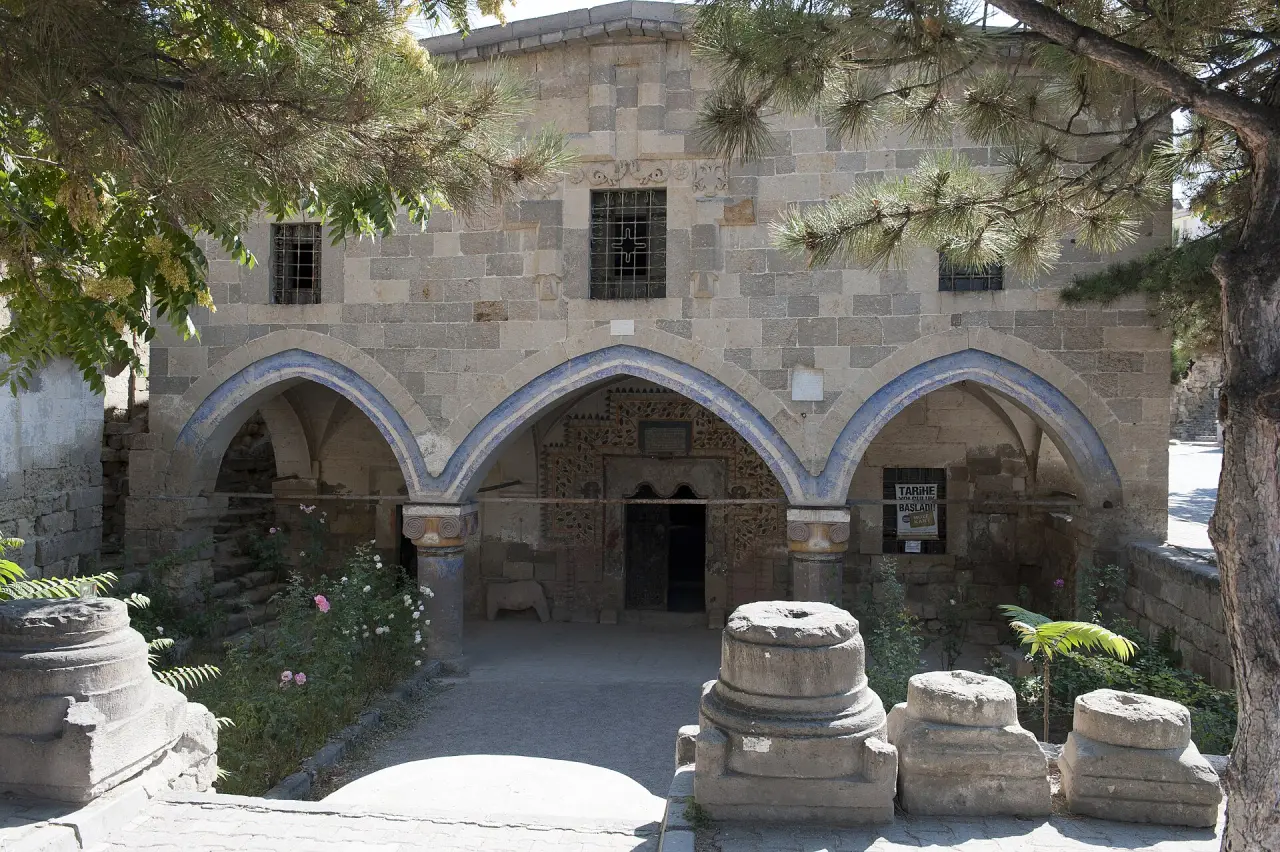
The church's opening hours and entry fee may change; check before you go.
≈ 40 min by car (≈ 40 km), north via Ürgüp and Avanos · stay 60 min
The underground city about 14 km north-east of Avanos was found in 1972 by the farmer Latif Acar. It reaches ten levels and about 40 metres deep, and four levels are open; you can see holes that allowed people to talk between levels and, above the passages, holes said to have been made for pouring hot sand onto attackers.
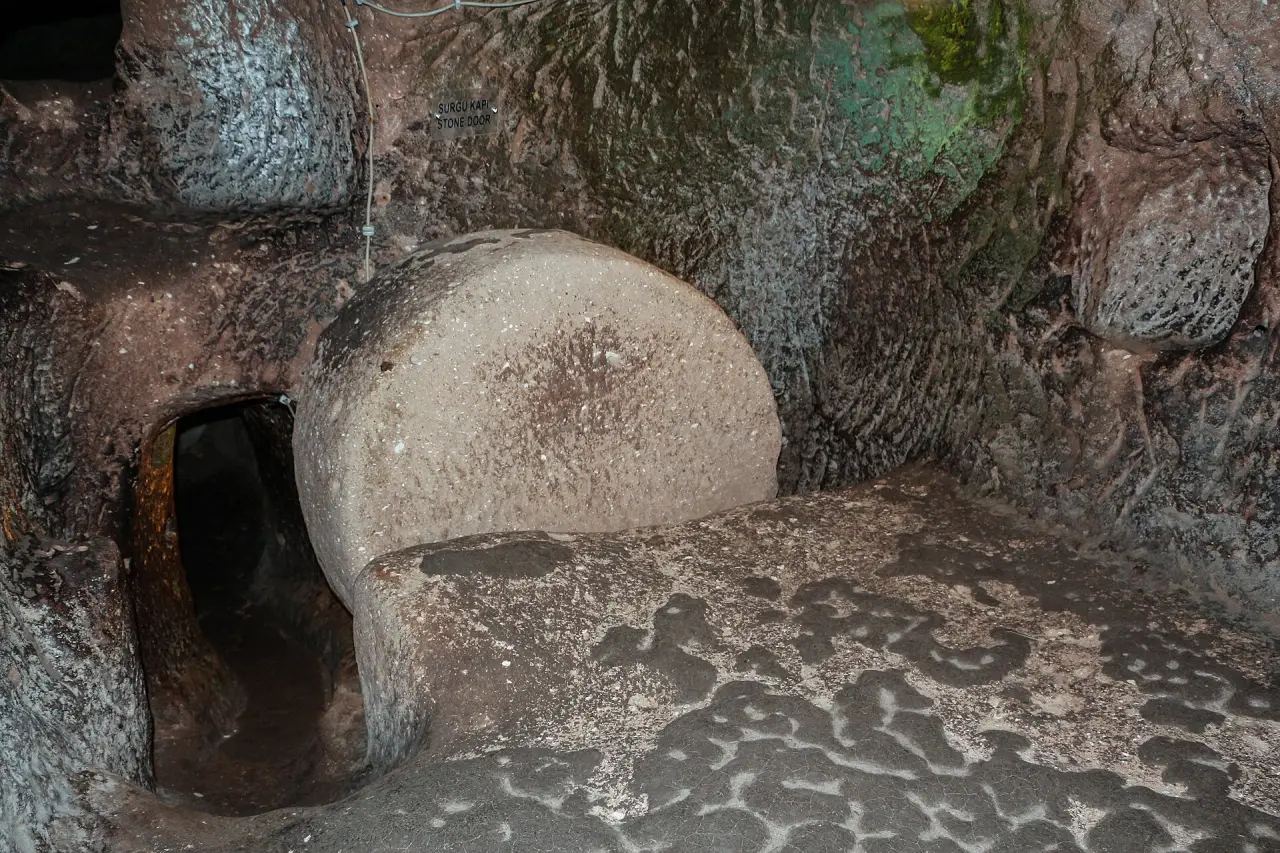
Check hours and prices before you go.
≈ 2 h 15 min · fast ferry + bus · Day trip
Why here: The first Ottoman capital. The Green Mosque, the Grand Mosque and Koza Han make an easy day trip; we suggest it if you are staying in Istanbul for more than four days. Not part of this route.
Travellers who check in on this route can rate it. No one else can.
Be one of the first travellers to walk this route. If you have a question or a tip, share it with the community.
After walking the route you can rate it using the check-in in the app. Reviews go live after a short check.
Source: Prof. Dr. İlber Ortaylı (1947–2026)
Source: Prof. Dr. İlber Ortaylı (1947–2026)
