




Historian's route
1 tickets€29
Source: Prof. Dr. İlber Ortaylı (1947–2026)
İlber Ortaylı's Istanbul walk, in two days
1 ticketed stopsOpen the route
The side of Istanbul you won't see on postcards: on the Golden Horn, the power station that lit the city, a fez factory, an anchor foundry and a tobacco factory; then the dungeon towers where sultans and envoys were imprisoned, and Haydarpaşa Station, where no train has left for years. Every stop is a museum, cultural centre or public waterfront you can visit legally.
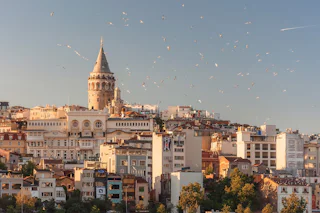
Karaköy has been Istanbul's port since Byzantine times. The district grew up inside the walls of Genoese Galata, and in the 19th century it became both the financial centre of the empire and a place where sailors, migrants and travellers passed through.
While the Ottoman Bank's headquarters rose on Bankalar Caddesi (formerly Voyvoda Caddesi), a few steps away the Camondo Steps climbed up to Galata; these elegant steps are said to have been built by the Camondo banking family in the late 19th century. Yüksek Kaldırım was the never-ending slope for the sailors, porters and merchants going up and down from the port.
Around the quay there were sailors' lodging houses, taverns and dim dives, known in the language of the time as "batakhane". In the Republican era, the official brothels were also concentrated in this area, on Zürafa Sokağı; the street closed in 2020 and its buildings were demolished in 2022.
Today Karaköy is full of cafés and galleries; even so, the old façades still reveal the complex memory of this harbour district. We tell the story and show the site of Zürafa Sokağı in the "Zürafa Sokağı: Karaköy's closed street" route in the dark tourism collection.
Dark tourism means visiting places where people have confronted suffering, loss and hard labour: prisons, dungeons, abandoned and submerged towns, underground shelters, and the factories and mines that paid the price of industry. Every place in this collection can be visited legally and with permission; there are no routes into abandoned private property or building sites, or routes built around watching neighbourhoods where people live. Battlefields, martyrs' cemeteries and memorial sites are in the “Remembrance and mourning” collection. Please respect the story of the places you visit.
Start: Golden Horn waterfront, Silahtarağa (by taxi or the Golden Horn tram) · stay 75 min
Silahtarağa, the first power station to supply electricity to Istanbul on a city-wide scale, was built at the head of the Golden Horn in the 1910s and ran for about 70 years. Today it sits on Istanbul Bilgi University's santralistanbul campus; its engine rooms, with their boilers, turbines and control room preserved as they were in operation, have been turned into the Energy Museum.

Check visiting days, hours and prices on santralistanbul.org before you go.
≈ 10 min by taxi (4.5 km) or ≈ 1 hour on foot along the shore · stay 35 min
A factory set up to supply fezzes and cloth for the Ottoman army. After restoration by the Istanbul Metropolitan Municipality from 2018 to 2023, it opened as an arts centre under the name Artİstanbul Feshane in 2023; its huge steel-framed hall is one of the best places to understand the Golden Horn's industrial past.

It may be closed depending on the exhibition calendar; check the programme before you go.
≈ 10 min by taxi (4 km), or the Golden Horn ferry from Eyüp pier to Hasköy (check the timetable) · stay 120 min
An industry and transport museum set in the buildings of the Lengerhane, the Ottoman anchor foundry, and the Hasköy shipyard: steam engines, railway vehicles, a submarine, aircraft and classic cars. There are places to eat and drink inside the museum; take your lunch break here.
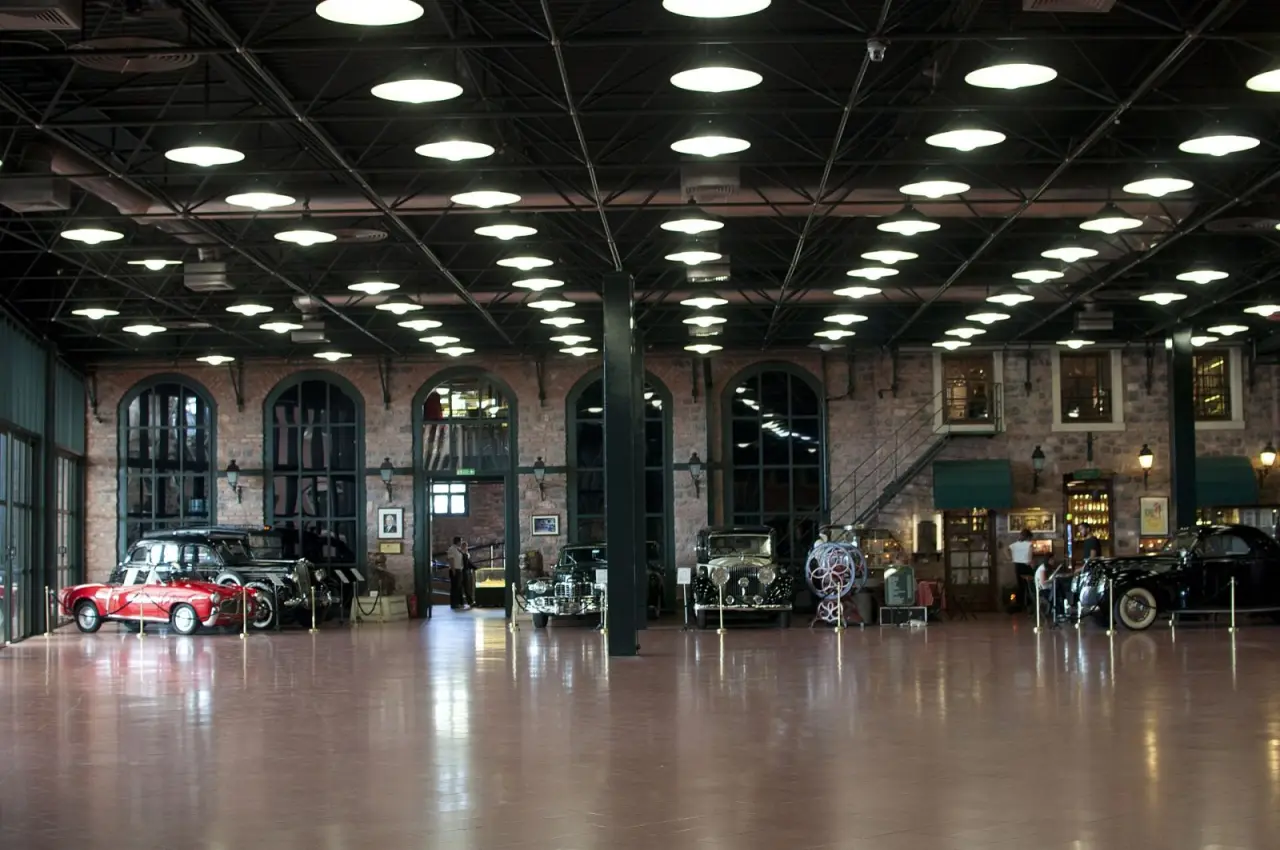
Closed on Mondays. Sections such as the submarine and the vintage train may need separate tickets; check current hours and prices.
≈ 10 min by taxi (5 km), or cross to the other shore by ferry and walk along the waterfront · stay 50 min
Opened in 1884, the Cibali Tobacco and Cigarette Factory was one of the largest industrial enterprises in the Ottoman Empire, and most of its workers were women. The building is now Kadir Has University's Cibali campus; inside, the Rezan Has Museum lets you see the Byzantine cistern beneath the factory and finds from Anatolian archaeology.

According to sources, the museum is open daily 09:00–18:00; closed on New Year's Day and the first day of religious holidays. Check before you go.
≈ 15 min by taxi (6 km), along Kennedy Caddesi · stay 50 min
A seven-towered fortress added behind the Byzantine Golden Gate under Mehmed the Conqueror. In the Ottoman period it served as a treasury and a dungeon; foreign envoys were held here, and Osman II (Genç Osman) was killed here in 1622. Inscriptions carved by prisoners can be seen on the tower walls.

Visiting days and hours may change; night tours are held in the summer months. Check before you go.
≈ 25 min by taxi (16 km), or cross to Eminönü and take the Kadıköy ferry, which passes in front of the station · stay 40 min
Opened in 1908, the station was the starting point for trains to Anatolia. After the roof fire of 2010 and the end of services in 2013, it has been silent for years; in 2026 restoration freed its sea-facing façades from scaffolding. End the day at sunset, looking at the station from the ferry deck and the Kadıköy quay.
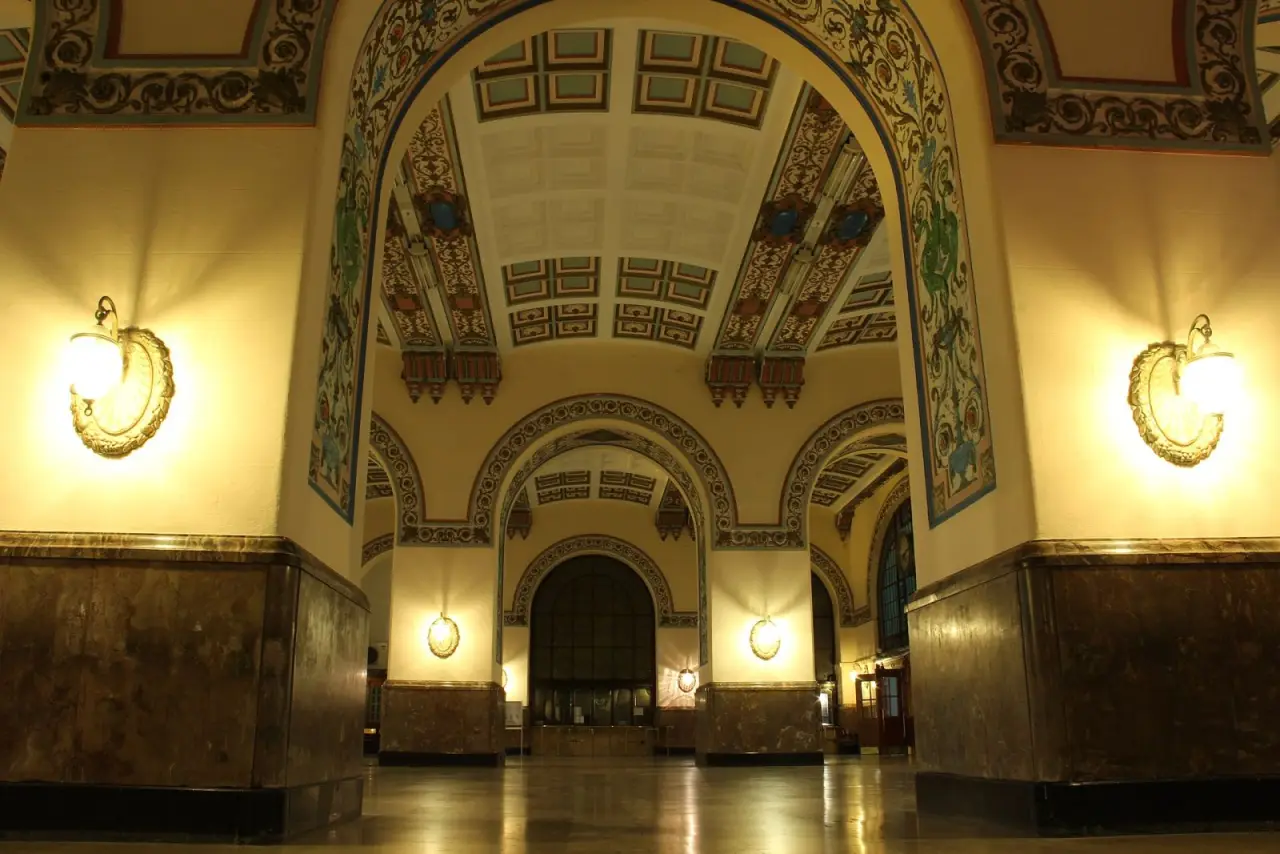
The station cannot be visited inside because of restoration; it can only be seen from outside and from the waterfront. Do not enter the building site. (Photo: inside the station, before the restoration.)
≈ 2 h 15 min · fast ferry + bus · Day trip
Why here: The first Ottoman capital. The Green Mosque, the Grand Mosque and Koza Han make an easy day trip; we suggest it if you are staying in Istanbul for more than four days. Not part of this route.
Travellers who check in on this route can rate it. No one else can.
Be one of the first travellers to walk this route. If you have a question or a tip, share it with the community.
After walking the route you can rate it using the check-in in the app. Reviews go live after a short check.
Source: Prof. Dr. İlber Ortaylı (1947–2026)
Source: Prof. Dr. İlber Ortaylı (1947–2026)
